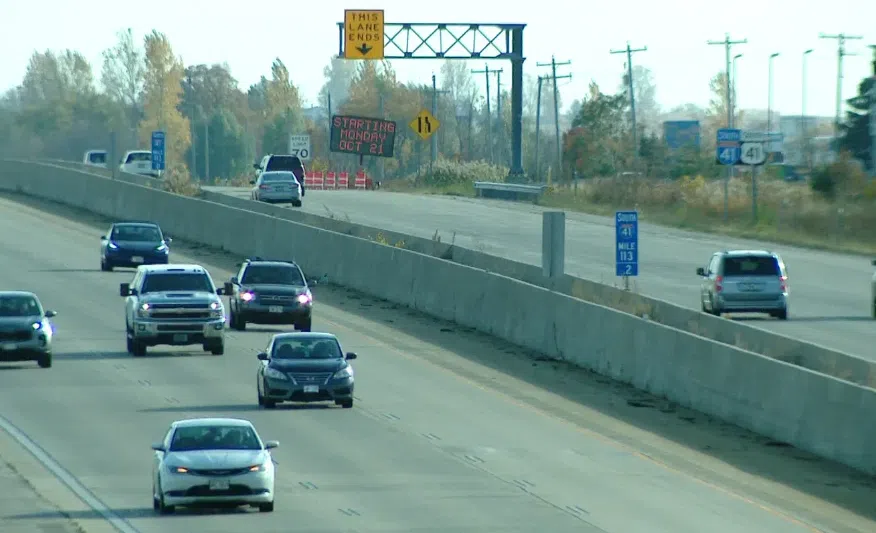
PHOTO: Courtesy of WLUK
SHAWANO COUNTY, WI (WTAQ-WLUK) — Wheel taxes have become common across our area as a way for municipalities to fund road work, and now Shawano County could become the first county in our area to have one.
The idea of a $20 wheel tax starting next year isn’t sitting well with some residents.
“People like myself, retired and on a fixed income, need to tighten our belts,” said Timothey Massey of the Town of Westcott. “Perhaps the highway department needs to as well.”
“We tightened our belt last year,” said James Davel, Shawano County Administrative Coordinator. “Every department took a 3% cut. When you look at our budget, we are really stretched thin overall.”
Davel says the situation is only going to get worse with rising prices and state imposed limits on tax collections.
Davel was asked if a wheel tax fee would allow the county do more road work, or maintain what it is currently doing.
“It would be closer, maybe a little bit more, but allow us to maintain what we’re doing,” said Davel. “We would hope to do anywhere from 15 to 18 miles of paving every year. Typically, we get around 9.”
Last year, the county paved 9.6 miles of county roads at a cost of $3.3 million.
Collecting $20 from 37,350 eligible vehicles would generate about $747,000, according to the county.
While no counties in our area have a wheel tax, 13 of the state’s 72 counties do have one. 38 municipalities in the state also have one.
“Comments have been brought up about the lack of snowfall all these years, they’re like where is that money going,” said Jeremy Gretzinger, a Shawano County supervisor. “I think once we show to the public where this money is going to be allocated for, I don’t think they’d have a problem with it.”
The county board was going to take a vote on the wheel tax Wednesday afternoon, but instead voted to wait a month – allowing for a yet to be scheduled public information session.
The city of Shawano added a $40 wheel tax fee last year. If the county approves its new fee, city residents would pay an extra $60 per year, on top of the state’s $85 annual vehicle registration fee.



Comments