GREEN BAY, WI (WTAQ-WLUK) – There are about 3,000 Wisconsinites currently in need of a life saving organ donation, 85% of those people need a kidney.
FOX 11 previously reported about Daniel Gonzalez, one of the four victims of a fatal crash in Waupaca County and through the gift of organ donation, he was going to save lives.
Gonzalez and three of his siblings — Fabian, Lillian, and Daniela all died after the vehicle they were in was hit head by suspected drunk driver, driving the wrong way down Highway 10 in Weyauwega.
Twenty-five year old Daniel Gonzalez is a hero.
His family inviting the public to recognize his heroism and join them to say goodbye, before he was flown from ThedaCare Regional Medical Center-Neenah to Madison on Wednesday – where he was going to be an organ donor.
According to his mom, Paulina Schilling, “I’m very proud because he wasn’t able to save the lives of his three siblings but he will be able to save the lives of many other people.”
In order to be a organ donor, according to UW Health, a hero has to be in a hospital setting and on a ventilator. Only about three percent of people die in a way that they can even be evaluated for organ donation, so it’s very rare.
“We determine if that patient has any medical suitability for any of their solid organs to be donated. And then were also looking up on the statewide registry to see if they’ve registered to donate because the conversation is going to change if the patient has decided to donate or if there’s no decision that’s documented if their family will be in line to make that decision,” said Tracie Cook, Community Outreach Coordinator, UW Organ and Tissue Donation.
Once it’s determined a patient is a candidate for organ donation, it takes about two to three days to identify what organs are strong enough for transplant – and where they are going.
On average, organs like the heart and lungs are only viable outside the body for about six hours. It’s a bit longer for things like livers and kidneys – so organ transplants happen within 24 hours of its procurement. Skin and tissue can last several days to several years.
Cook said, “By the time we go to the OR we generally know where those organs are headed and sometimes on biopsy we find something is not transplantable and then we aren’t able to place that but by the time we go to the OR we have a really good idea of which organs we’re recovering and which ones we’re not and where they’re going.”
Within two weeks from the transplant, UW Health says it’s notifying donor families of the outcome of what was placed for transplant and how many people were helped. And then they encourage both recipients and donors, when they’re ready, to reach out to one another to recognize the selfless act.
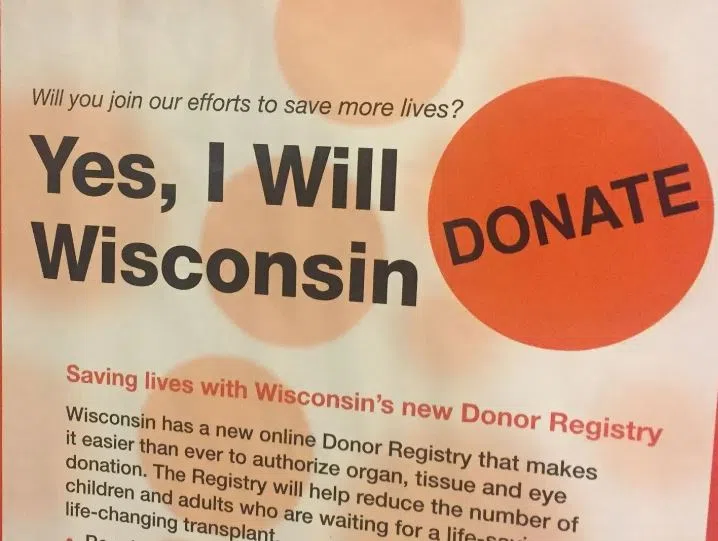
UW Health encourages those wishing to be an organ donor to sign up on the state registry.




Comments