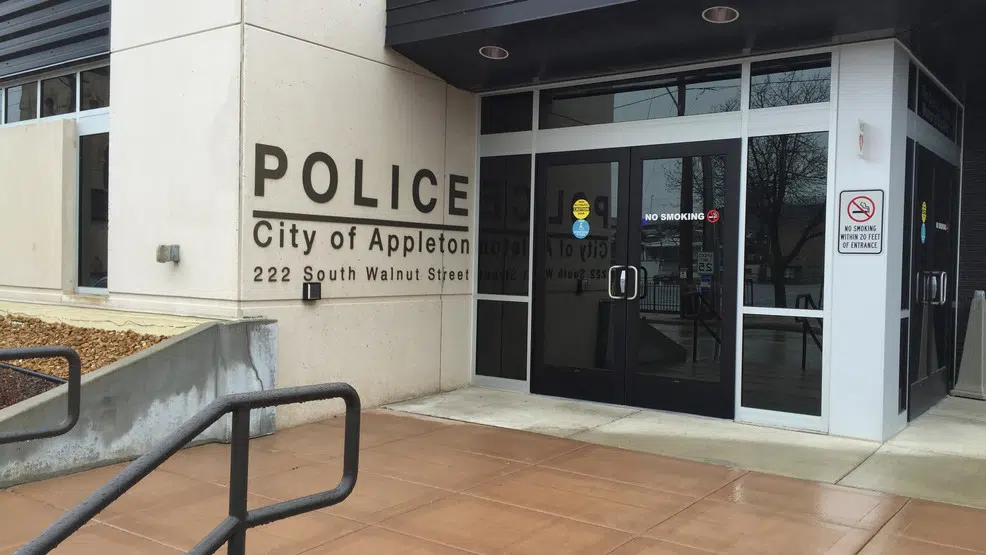
Appleton Police Department (PHOTO: Courtesy of Fox 11 WLUK)
APPLETON, WI (WTAQ-WLUK) — The Appleton Police Department’s latest force review showed officers’ use of force stayed near average in 2025.
The report provides an overview of incidents in which officers used force, outlining trends, outcomes, and safety considerations affecting both the public and officers.
“Use of force is not taken lightly. Officers must be prepared to defend their own life and the lives of citizens. We are steadfast in our resolve to do so legally and ethically,” said Lt. Bill Krieg, the Professional Development Training Coordinator for the Appleton Police Department.
The department reports these findings annually to strengthen community trust and ensure residents have a clear understanding of how and why force is used.
Key Findings from 2025:
- Force was used on 72 individuals, aligning with long-term averages.
- Subject injuries remained low with none requiring hospital admission.
- Techniques used to safely bring individuals to the ground were the most common tactics used in 82% of incidents.
- Every use of force in 2025 was determined to be within department policy.
- More than half of APD officers had no use of force incidents.
- The Downtown District accounted for 69% of all uses of force, with Saturday and late-night hours representing the highest occurrence.
- Use of force occurred in fewer than three out of every 100 arrests.
Officer encounters in 2025:
- A rise in battery-to-officer incidents, continuing a local 15-year upward trend.
- A 15% increase in active resistance cases from 2024.
- 15 cases of assaultive behavior toward officers.
- 14 reported officer injuries.
The report highlights the department’s emphasis on de-escalation, verbal communication, and Crisis Intervention Team (CIT) training. Officers continue using time, distance, and dialogue to resolve encounters without physical force. Interactive virtual reality (VR) training, scenario-based work, and ongoing updates on Defense and Arrest Tactics remain key training measures.




Comments