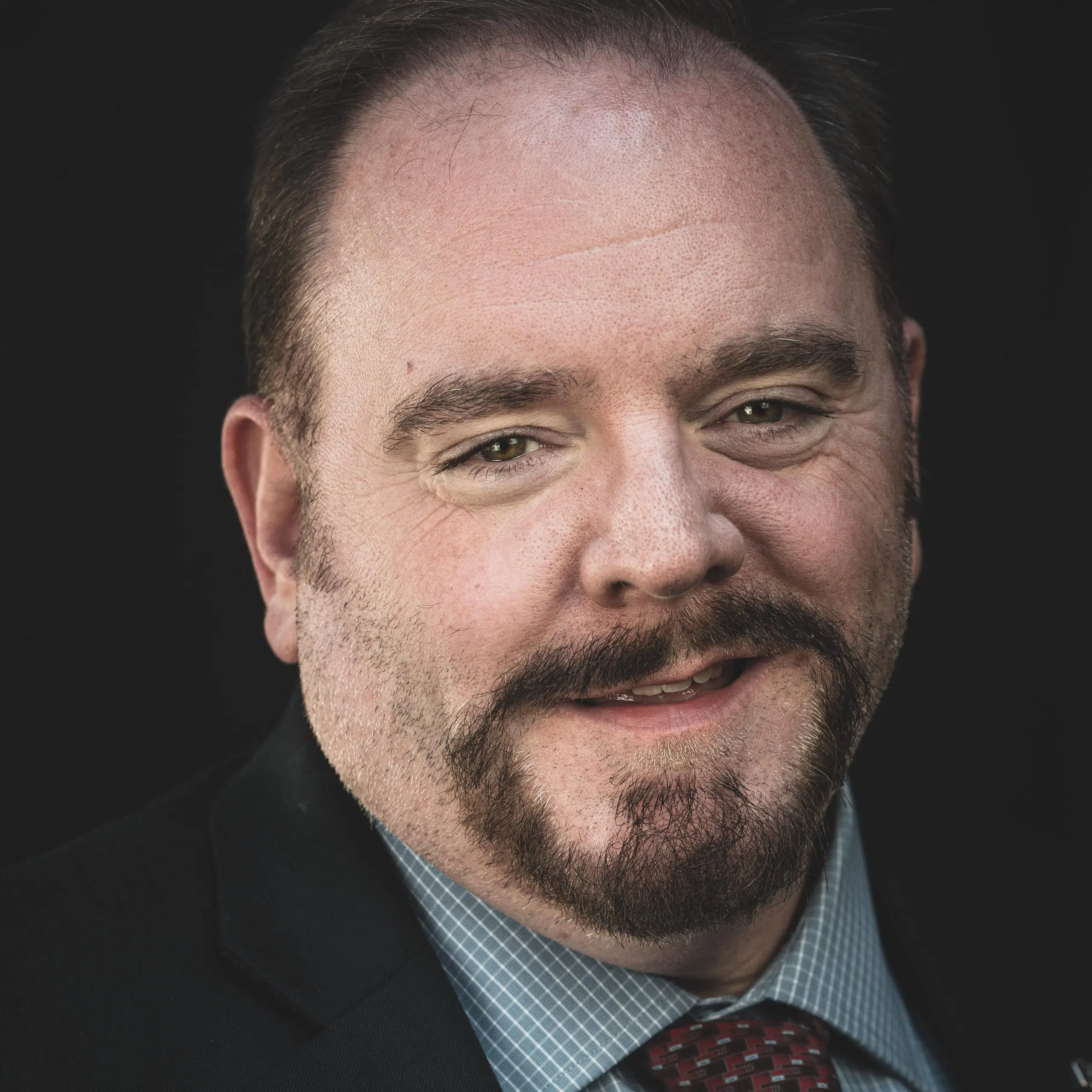
ASHWAUBENON, WI (WTAQ-WLUK)- Governor Scott Walker discussed the battle plan for dealing with chronic wasting disease (CWD) in Wisconsin.
The Governor spoke with a DNR advisory board in Ashwaubenon Friday and said it is a big concern.
“In light of some of the more recent examples of chronic wasting disease, showing up throughout the state, that we need to be even more aggressive than we have in the past,” said Gov. Scott Walker.
Twenty-nine counties in Wisconsin have reported cases of CWD. Among those counties are Manitowoc, Shawano, Waupaca and Oconto.
“The specific concern of late, in the last year or so, have been where you see spots of chronic wasting disease popping up in other parts of the state. We want to make sure there’s not movement out of the affected areas,” Walker said.
Walker explained the importance of increased fencing.
“In every county there has to be enhanced fencing whether it’s a second layer of eight-foot-high fencing or electrical fences or others,” Walker said.
Walker also talked about the need for a new rule aimed at banning the movement of live deer from deer farms in CWD-affected counties. The governor wants the DNR to create emergency and permanent rules banning the movement of deer carcasses from CWD-affected areas.
“The governor finally is reacting a little… way too late on the increases because we’re moving with sometimes in some counties a 30 to 40 percent of the male deer are now affected,” said James Baumgart, an area hunter.
Walker responded with, “People can talk about the past but there’s nothing we can do about the past no matter who was in office.”
Baumgart, a hunter, credits the DNR’s efforts to combat CWD over the years.
Scott Loomans, a DNR Fish, Wildlife and Parks policy adviser says sometimes some rules need an update.
“We do need to refresh them and make them apply in new areas,” said Scott Loomans. “We do need to do sometimes hard things that impact people so early on it can be difficult to generate public support to take those hard actions.”
The DNR and the Department of Agriculture have plans to hold meetings, likely in June, for the public to share their ideas on how to keep CWD from spreading.