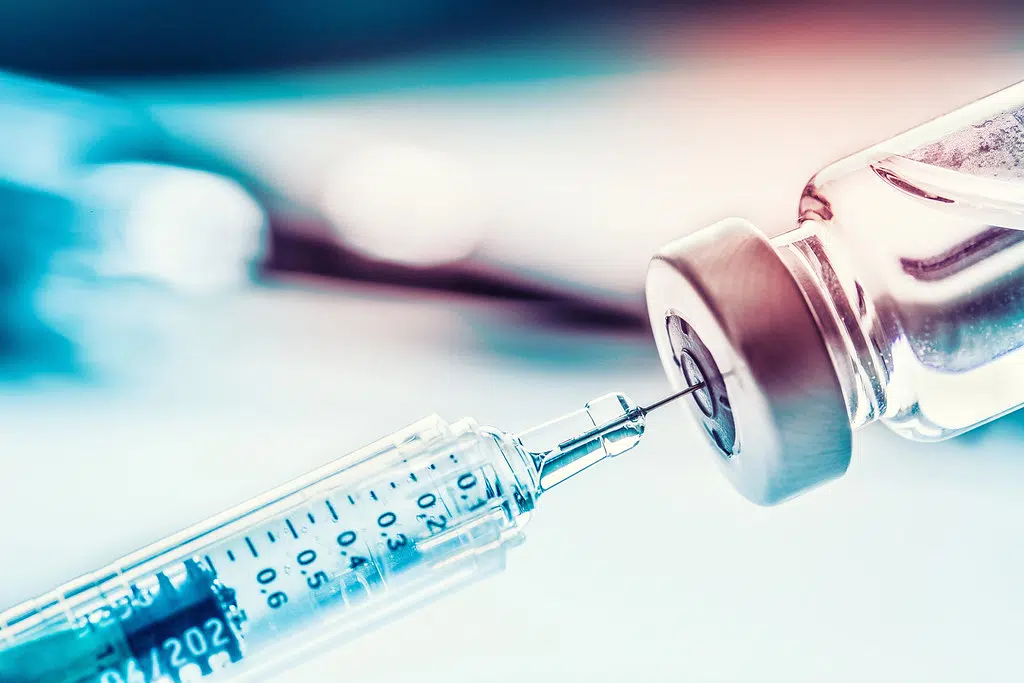
GREEN BAY, WI (WTAQ) – As the country is expected to see COVID-19 vaccine boosters announced for everyone in the coming weeks, local doctors are addressing what that might look like.
A booster for a small percentage of people was approved this past weekend.
“For a very small percentage of population, less than 3-percent depending on the numbers you look at. Really it’s not a booster, but it’s really getting them to an immune status that we are more comfortable with,” said Prevea Health President, Dr. Ashok Rai. “The doses they received likely did not create the immune response that we were hoping for because of either a medical condition, or more likely, because of a medication they’re on that would have blunted that.”
Medications like those provided during organ transplants, chemotherapy cancer treatments, or other heavy steroids can have an impact on the efficacy of the vaccine.
Rai doesn’t expect to see an official stamp of approval a wider recommendation until next month.
“It has not gone through FDA committee yet that we know of, [so we’re] waiting on official announcements. The supposed timeline they’re aiming for should be mid-September. Some reports say they’re waiting for the Pfizer and Moderna vaccines to go to what most would consider the regular approval process,” Rai told WTAQ News.
He points out that while the logistics of actually providing a booster dose aren’t set in stone, it will be ‘ten times’ easier than when the logistics were rolled out for the vaccines this past December. But again, he says the challenge will be getting people to actually roll up their sleeves.
“Well I think it’s, number one, making sure that we talk with science and then everybody understands the why behind it. So as the data is released, being able to get it in front of people in an explainable way so people understand it,” Rai said. “Some people are getting what we call waning immunity, or it’s wearing off, but it’s not completely gone. You still have a good amount of immunity, we’re just getting it up to a level that may prevent more breakthrough infections and at the end of the day prevent more spreading of the virus.”
Depending on the timing of when people are qualifying for the booster, which is about eight months from their second dose, Rai says we’ll be well into influenza vaccination season. The biggest question he still has if that is the case – is how to operationalize both at the same time.



Comments