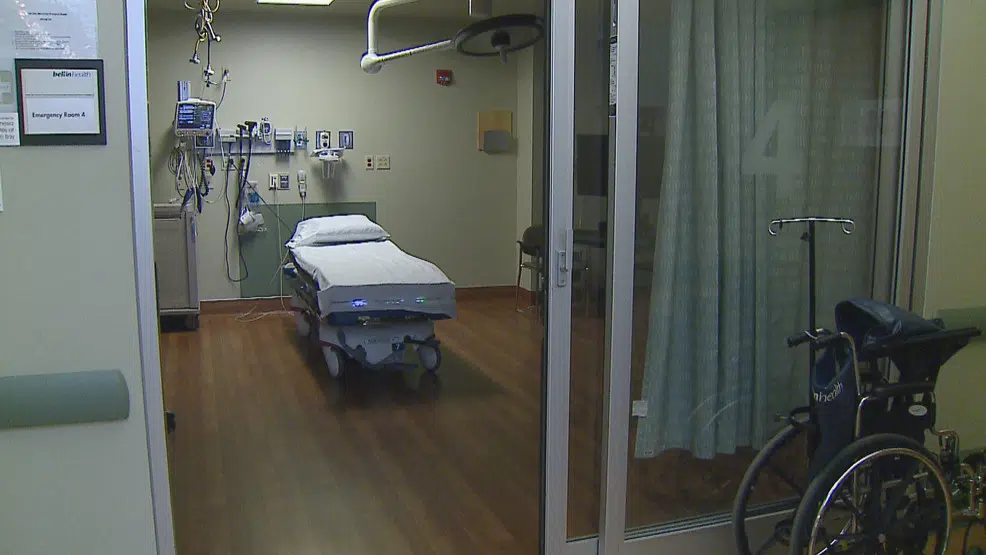
PHOTO: Courtesy of WLUK
(WTAQ-WLUK) — Outagamie County health officials say pertussis, aka whooping cough, is circulating the community.
It comes at a time when other respiratory illnesses are present, like flu, RSV, COVID-19 and the common cold.
Officials say it’s important to know and spot the differences between whooping cough and other respiratory illnesses.
“It may seem like everyone has a cough or runny nose during this time of the year,” said Outagamie County Public Health Nursing Supervisor Lillian Wegner. “But with kids in school right now, they are spending a lot of time in close contact with other kids, and diseases can spread faster. We want to make sure parents are aware that their older kiddos can spread pertussis to younger siblings not in school. This is of concern because only 74% of 2-year-olds in Outagamie County are vaccinated against pertussis.”
So far this year, 679 cases of whooping cough have been confirmed statewide. Of those, 26 needed to be hospitalized.
Bacteria causes pertussis and easily spreads from person to person. You can get pertussis by coming into contact with an infected person’s saliva. Pertussis can affect people of all ages, however, it can be very serious, even deadly, for babies less than 1 year old. Older siblings, parents, or caregivers who might not know they have the disease can spread it to babies.
It usually takes five to ten days for symptoms to appear after exposure to the bacteria that causes pertussis.
Initial symptoms to watch for may be similar to the common cold and can last for one to two weeks:
- Runny nose
- Sneezing
- Low-grade fever (between 99.5F and 100.3F)
- Mild occasional cough
Symptoms can progress to an uncontrollable, violent cough that makes it hard to breathe. After coughing, someone with pertussis may need to take deep breaths, causing a “whooping” sound. Infected people can spread pertussis up to three weeks after the cough begins if they do not get treatment. The only way to know for sure if you or someone you know has pertussis is to get tested.
Vaccinations can also help protect against pertussis. To check if you or your kids are up to date on the DTaP (protects children under seven years old from diphtheria, tetanus, and pertussis) and Tdap (protects children seven years and older, adolescents, and adults against tetanus, diphtheria, and pertussis) vaccinations, contact your healthcare provider. You can also check the Wisconsin Immunization Registry.




Comments