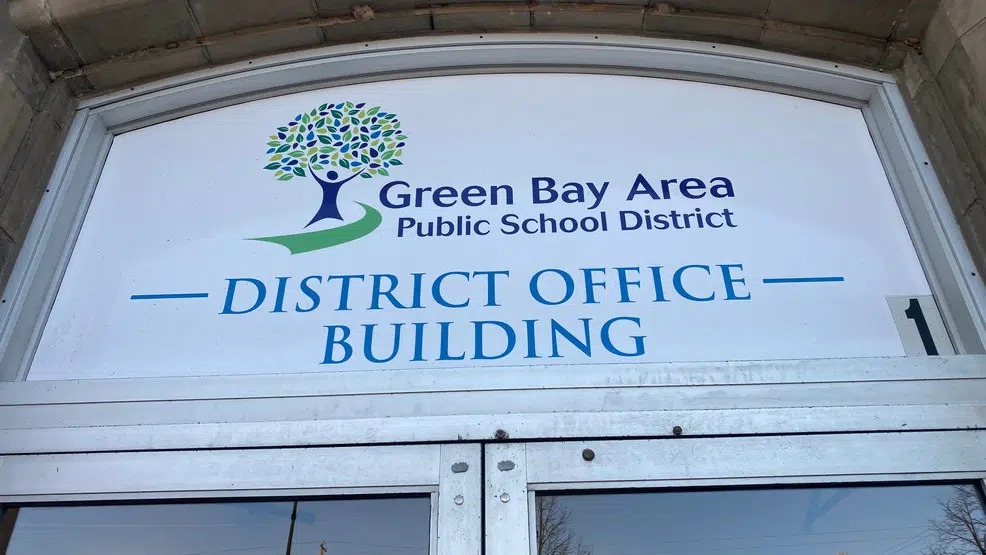
GBAPSD
GREEN BAY, WI (WTAQ-WLUK) — The vote was unanimous.
Next year’s budget for the Green Bay school district was officially approved Monday night.
It projects a deficit of three point five million dollars, which could be covered by fund balance.
“It’s a one-time fix. So, it’s not highly recommended, but because we were able to put some money away in fund balance last year, we’ve built that up,” said Angie Roble, CFO for the school district.
What does the board’s president think?
“There is a great amount of concern. To dip into the fund balance is kind of the last resort,” said James Lyerly, President of the Board of Education.
School districts across Wisconsin are struggling financially.
Many point to the most recent state budget.
“It is unfortunate that we were given a state budget that asked our local taxpayers to do more for public education. And I really don’t want to go back to the same taxpayers next year and say, and do more,” said Lyerly.
Your taxes are based off of the mill rate and your property value.
“Mill rate is based off of fair market value for school districts where it’s assessed value and other municipalities like the city, for example,” said Roble.
Across the eight municipalities in the district, fair market value increased on average by 8.77%.
“Depending on where you live, whether it’s the city of Green Bay or the town of Scott, depending on how our levy is distributed among those municipalities, everybody’s going to see an increase of right fair market value,” said Roble.
That gives you a higher property value.
“If the mill rate doesn’t drop as much percentage wise as what your property value went up, then you would see a slight increase,” said Roble.
For example, with this new mill rate, in a home that is now worth $250,000, the portion of your property taxes going towards the district, would be $1,852.50.
So just because the mill rate has decreased, it doesn’t necessarily mean your taxes will too.




Comments